Electron Labs Home

Category

Maker & Education

22 articles

After the Ground Strap Comes Off: The ESD Discipline Gap Between Factory and Bench

After the Ground Strap Comes Off: The ESD Discipline Gap Between Factory and Bench

Contract manufacturers run documented electrostatic discharge programs with audits, logs, and verified grounding. Then the board ships to a lab, a maker space, or a startup bench where none of that infrastructure follows. This analysis examines how latent ESD damage is created away from the production line, why it stays invisible for months, and what a realistic bench-level audit should include.

Cracked at the Joint: Why Solder Fatigue Quietly Destroys Products That Passed Every Test

Cracked at the Joint: Why Solder Fatigue Quietly Destroys Products That Passed Every Test

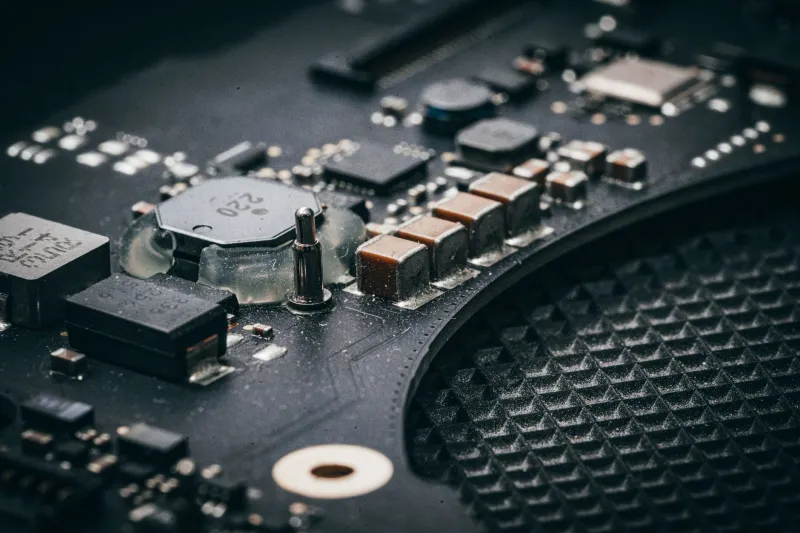
Solder joints are among the most mechanically stressed elements in any electronic assembly, yet they rarely receive the engineering scrutiny they deserve. Thermal cycling, vibration, and repeated power cycling create cumulative damage that standard qualification testing frequently fails to detect. Understanding the physics behind solder fatigue is essential for engineers who want their designs to survive real-world deployment rather than just the lab.

Not All Chips Are Created Equal: The Statistical Reality Behind Your Microcontroller's Clock Speed

Not All Chips Are Created Equal: The Statistical Reality Behind Your Microcontroller's Clock Speed

The maximum clock frequency printed on a microcontroller's datasheet is not a hard guarantee — it is the upper boundary of a statistical distribution shaped by the imperfect physics of semiconductor manufacturing. Understanding process variation and silicon binning helps engineers design circuits that perform reliably across the full range of conditions they will actually encounter.

Rated to Fail: The Derating Secrets Component Manufacturers Bury in Their Datasheets

Rated to Fail: The Derating Secrets Component Manufacturers Bury in Their Datasheets

A component's published specifications represent ideal laboratory conditions, not the thermal, electrical, and environmental realities of your actual circuit. Understanding derating curves and safety margins is the difference between a design that lasts and one that quietly destroys itself over time. This guide examines the physics of real-world component stress and the practical steps every engineer and serious hobbyist should take before committing a design to production.

Metal in Motion: How Electromigration Silently Destroys High-Current Circuits Over Time

Metal in Motion: How Electromigration Silently Destroys High-Current Circuits Over Time

Electromigration is a physics-driven failure mechanism that moves metal atoms through conductors under sustained current, opening voids and building hillocks that eventually kill circuits months or years after deployment. Design engineers routinely underestimate its destructive potential, particularly in high-power automotive and industrial applications. Understanding its mechanics and mitigation strategies is essential for building electronics that survive real-world service life.

Fractured Frequency: The Hidden Fragility Inside Your Digital Timing Architecture

Fractured Frequency: The Hidden Fragility Inside Your Digital Timing Architecture

Clock distribution and frequency division appear deceptively straightforward on a schematic, but real-world digital systems routinely fail in ways that trace back to timing assumptions made early in the design process. From jitter accumulation across cascaded dividers to metastability lurking at clock domain crossings, the risks are systematic and underappreciated. This article examines the mechanisms behind timing failure and offers concrete architectural strategies to build synchronization sys

Ground Planes and Ghost Signals: How PCB Layout Decisions Quietly Destroy Wireless Performance

Ground Planes and Ghost Signals: How PCB Layout Decisions Quietly Destroy Wireless Performance

When a wireless device fails to meet its specified range, most engineers instinctively reach for a better antenna or crank up transmit power — but the real culprit is often hiding in plain sight on the PCB itself. Ground plane discontinuities, poorly routed RF traces, and ill-considered layer stackups can silently strip 30 to 50 percent of effective range before a single packet is transmitted. This article examines the specific layout decisions that sabotage wireless performance and provides act

Always On, Always Costly: The Engineering Reality Behind Standby Power Consumption

Always On, Always Costly: The Engineering Reality Behind Standby Power Consumption

The moment you press the power button on a modern device, you may believe you have ended its energy consumption — but the circuit tells a very different story. Standby power, often called phantom load or vampire power, quietly drains billions of dollars from American households and industrial facilities every year. Understanding the engineering decisions that create this problem is the first step toward measuring, managing, and ultimately reducing it.

Trusting a Liar: How Your Breadboard Is Setting Your Prototype Up to Fail

Trusting a Liar: How Your Breadboard Is Setting Your Prototype Up to Fail

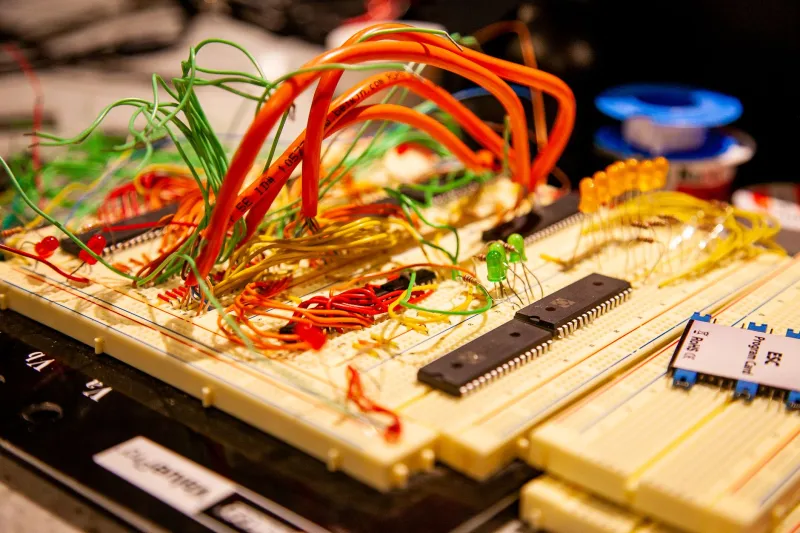
Breadboards are the universal starting point for circuit prototyping, yet their hidden electrical characteristics routinely mislead engineers into false confidence. Parasitic inductance, unreliable contact resistance, and capacitive coupling between rails can make a circuit appear functional on the bench while concealing fatal flaws that emerge only in production. Understanding when to trust your breadboard — and when to stop — is one of the most important skills a practicing engineer can develo

The Logic Analyzer: Why This Overlooked Instrument Belongs on Every Maker's Bench

The Logic Analyzer: Why This Overlooked Instrument Belongs on Every Maker's Bench

Multimeters have long served as the default starting point for electronics hobbyists, but the growing complexity of modern microcontroller projects demands a more capable instrument. Affordable logic analyzers now bring professional-grade digital signal capture within reach of students and weekend builders alike. Understanding when and why to reach for one can fundamentally change how you troubleshoot embedded systems.

Where Did the Power Go? The Hidden Currents Sabotaging Your Energy Budget

Where Did the Power Go? The Hidden Currents Sabotaging Your Energy Budget

Power budget calculations look clean on paper — until the prototype arrives and the numbers refuse to match reality. From quiescent regulator draw to switching transition losses, a surprising range of hidden current paths conspire to drain more energy than any datasheet openly advertises. Understanding where that power actually disappears is one of the most practical skills an electronics engineer can develop.

Matched or Mismatched: Why Impedance Remains the Most Underestimated Variable in Modern Circuit Design

Matched or Mismatched: Why Impedance Remains the Most Underestimated Variable in Modern Circuit Design

Impedance matching is one of those foundational concepts that engineers encounter early in their education yet continue to wrestle with throughout their careers. From RF amplifiers to high-speed digital interconnects, a mismatch of even a few ohms can cascade into reflections, signal degradation, and failed designs. This guide unpacks the theory, the traps, and the measurement techniques that transform textbook knowledge into real-world competence.

Invisible Interference: How Parasitic Capacitance Quietly Undermines High-Speed Circuit Performance

Invisible Interference: How Parasitic Capacitance Quietly Undermines High-Speed Circuit Performance

Parasitic capacitance is one of the most deceptive phenomena in electronics engineering—present in every design, yet invisible to the naked eye until a prototype fails unexpectedly. Understanding how unwanted capacitive coupling forms, how to model it accurately, and how to mitigate it through disciplined layout practices is essential knowledge for anyone working with high-frequency circuits. This article breaks down the mechanisms, the consequences, and the countermeasures every serious enginee

Microcontrollers Never Truly Sleep: Mastering Leakage Current for Long-Life Battery Designs

Microcontrollers Never Truly Sleep: Mastering Leakage Current for Long-Life Battery Designs

Even when a microcontroller appears completely powered down, parasitic leakage currents continue to silently drain batteries—often making the difference between a device that lasts two years and one that dies in two months. Understanding, measuring, and budgeting for these hidden currents is a foundational skill for anyone designing IoT sensors, wearables, or any battery-powered embedded system. This guide breaks down the physics, the math, and the practical design strategies engineers rely on t

The Oscilloscope Is Not Optional: Why Analog Measurement Mastery Defines the Truly Skilled Engineer

The Oscilloscope Is Not Optional: Why Analog Measurement Mastery Defines the Truly Skilled Engineer

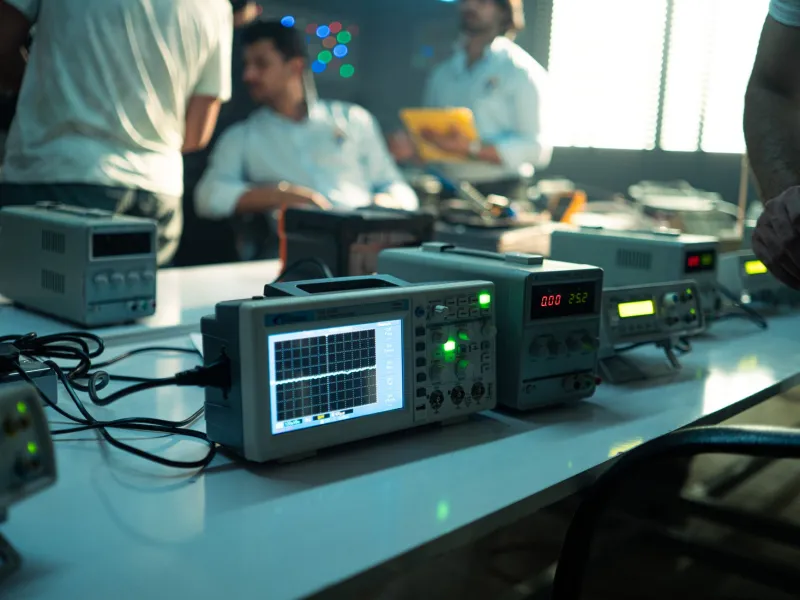
Software simulators, logic analyzers, and AI-assisted debugging tools have transformed the electronics workbench—but none of them have replaced the oscilloscope, and none of them ever will. The ability to correctly capture, interpret, and act on real-world signal behavior remains one of the clearest dividing lines between engineers who genuinely understand their circuits and those who only think they do. This article makes the case for why oscilloscope proficiency is not a relic of analog-era ed

Keeping the Signal Clean: A Practical Guide to High-Speed PCB Design Challenges

Keeping the Signal Clean: A Practical Guide to High-Speed PCB Design Challenges

As data rates on modern circuit boards push into the gigahertz range, the physical behavior of copper traces, vias, and ground planes becomes as consequential as the logic they carry. Signal integrity—once a concern reserved for specialized RF engineers—is now a fundamental competency for any electronics designer working with contemporary digital interfaces. This guide breaks down the core challenges and the practical techniques professionals use to address them.

Ghost in the Machine: Diagnosing and Defeating Electromagnetic Interference in Your Electronics Projects

Ghost in the Machine: Diagnosing and Defeating Electromagnetic Interference in Your Electronics Projects

Electromagnetic interference is one of the most misunderstood and underestimated challenges in electronics design, responsible for countless hours of baffling troubleshooting. Whether you are a seasoned hobbyist or an engineering student, understanding how EMI originates and propagates is the first step toward building circuits that behave exactly as intended. This guide breaks down the science, the symptoms, and the practical solutions that will change how you approach every future build.

Hidden Gold: How the E-Waste Revolution Is Turning Discarded Electronics Into Recoverable Treasure

Hidden Gold: How the E-Waste Revolution Is Turning Discarded Electronics Into Recoverable Treasure

The old smartphone sitting in your desk drawer contains more gold per ton of material than most commercial mining operations can economically extract from the earth. A new generation of recyclers, engineers, and entrepreneurs across the United States is building an industry around that fact — and there are practical steps every electronics enthusiast can take to participate responsibly. This guide explores the science, the business, and the ethics of electronics material recovery.

Quantum in Your Pocket: How Decades of Laboratory Research Are Quietly Entering Everyday Electronics

Quantum in Your Pocket: How Decades of Laboratory Research Are Quietly Entering Everyday Electronics

Quantum computing has long been the domain of research institutions and government laboratories, but a wave of engineering breakthroughs is beginning to translate its principles into practical consumer applications. From post-quantum cryptography chips to quantum-enhanced sensors in smartphones, the technology is closer to everyday life than most users realize. This primer explores what quantum computing actually means for the devices in your hands — and when the impact will genuinely be felt.

Build Smarter, Not Harder: The 10 Tools That Will Transform Your Electronics Workbench in 2026

Build Smarter, Not Harder: The 10 Tools That Will Transform Your Electronics Workbench in 2026

Whether you are a student taking your first steps into circuit design or a seasoned hobbyist pushing toward professional-grade projects, the right set of tools can dramatically accelerate your progress and deepen your understanding of electronics fundamentals. This curated guide walks through ten indispensable instruments and resources — spanning hardware, software, and hands-on learning platforms — chosen specifically for their practical value in 2024. Each recommendation reflects the Electron